


Plastic Free July shows how single-use plastics drive marine pollution, and why reusable products are a practical response now.
Overview
Plastic Free July is a global movement built around a simple idea: reducing plastic waste starts with everyday choices. It encourages individuals, workplaces, schools, and communities to refuse single-use plastics where possible. This makes it a useful lens for understanding marine pollution, because many of the items used for only a few minutes can persist in the environment for decades. The problem begins with convenience, then becomes waste, leakage, and accumulation.
Designed for one use
Single-use plastics are disposable items intended to be used only once before they are thrown away. The category includes grocery bags, food packaging, bottles, straws, containers, cups, cutlery and many other items. Their impact is not determined only by the material. It is determined by the mismatch between a very short use phase and a very long environmental persistence.
A plastic bottle may hold water for a few minutes. A food container may be used for one lunch. A plastic bag may carry groceries for the distance between a shop and a kitchen. Worldwide, one million plastic bottles are purchased every minute, and up to five trillion plastic bags are used each year. Overall, around 50% of all plastic produced is designed for single use: it is used once and then discarded.
Once discarded, however, these objects enter a much larger system: collection, sorting, disposal, recycling. If that system is missing, underfunded, overloaded, or poorly enforced, plastic moves with wind, rain, rivers, tides, and surface runoff. It can pass from streets to drains, from rivers to estuaries, from coastal areas to marine environments. This is why single-use plastics are central to marine pollution. They are often small, light, and mobile. A cup lid, sachet, wrapper, or bottle cap can be moved easily by wind or rain before waste services intercept it. Once in water, plastic does not disappear: macroplastics can injure or entangle animals and over time they can fragment into microplastics, which are harder to remove and can move through food webs.
The issue is also economic. When an object has little value after use, nobody has a strong financial reason to collect it, sort it, and keep it in circulation. Disposal becomes cheaper than recovery. This is the weak point of the linear plastic lifecycle: raw material is extracted, products are made, items are used briefly, and waste is pushed downstream. The Ocean receives part of the cost.
Collection is not enough
Ocean cleanup is necessary because plastic pollution already exists. Along beaches, in ports, in mangroves, on seabeds, and in fishing nets, waste is already present and continues to create ecological and social damage. Removing it reduces immediate harm and prevents further fragmentation. But cleanup alone cannot solve a system that keeps producing disposable materials faster than they can be collected and eventually recovered.
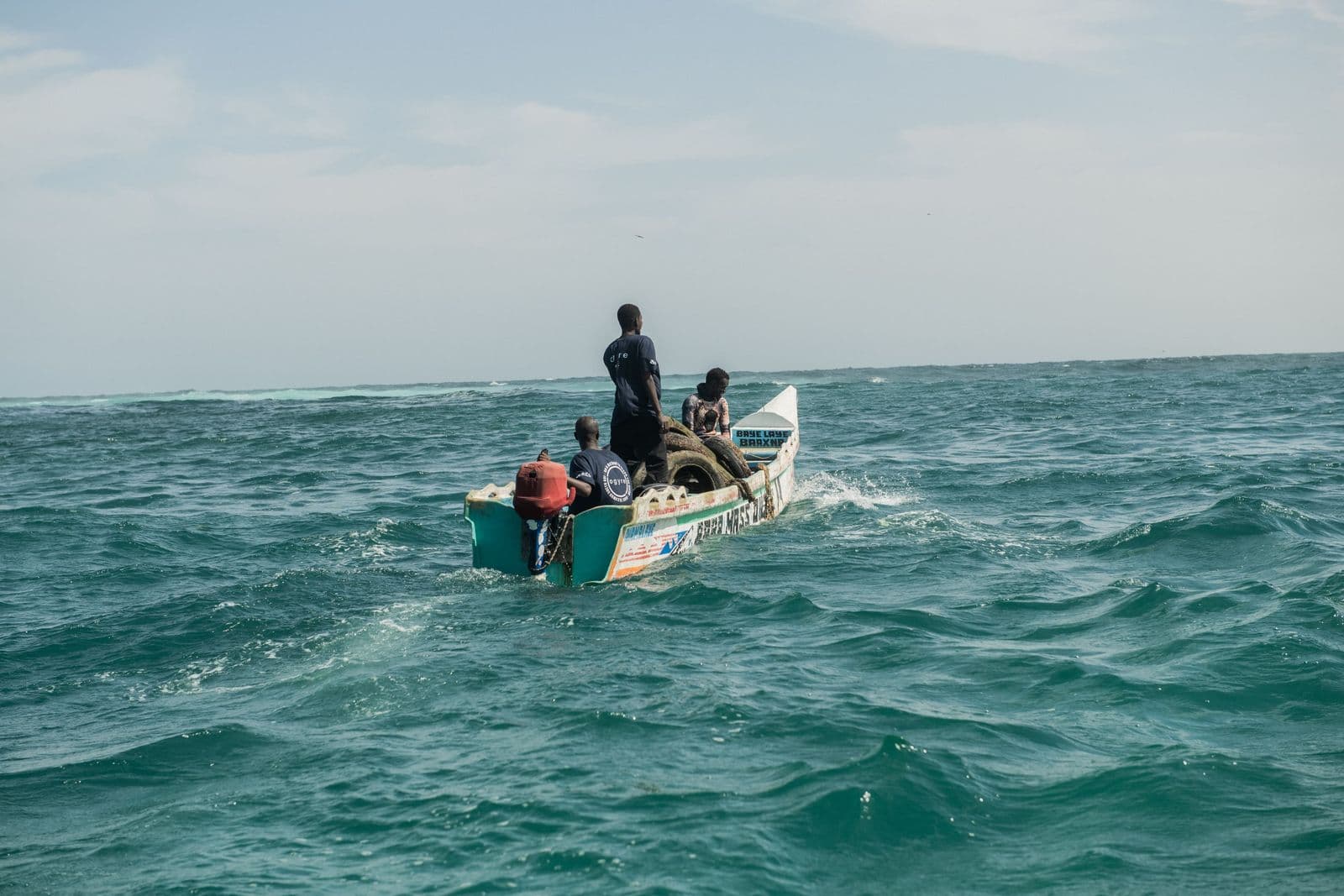
Ogyre operates in this space with a model based on collection, traceability, and responsible end-of-life management. Its activities collect plastic and waste directly from marine environments through local fishers and along coastal areas, intercepting ocean-bound waste before it reaches the Ocean. The model supports the recovery chain by involving local partners, managing logistics, and ensuring that collected materials are sorted, recycled, or responsibly disposed of according to the most appropriate available option.
This does not replace upstream prevention. It complements it. The most effective response to single-use plastics follows a hierarchy: eliminate unnecessary items, shift to reuse where possible, improve recycling where material remains necessary, remove existing pollution where leakage has already occurred and mitigate what cannot be replaced in any way. A circular economy does not depend on one tool. It depends on reducing the flow of waste while managing the waste that already exists.

Reuse changes the equation
The strongest long-term response to single-use plastics is not simply choosing a different disposable material. It is reducing disposability itself.
Reusable products extend the life of materials by replacing many single-use items over time. UNEP highlights reuse and new delivery models as key solutions because they act at the source. By 2040, eliminating unnecessary plastics could cut use by 9%, while reuse could reduce it by another 22%, reaching 95 million metric tonnes—showing its role as a core part of a lower-waste plastics economy.
Reusable products are especially important during Plastic Free July because they turn a systemic issue into daily choices. Carrying a bottle, refusing disposable cutlery, using a durable bag, or choosing refill formats does not solve marine pollution alone, but it reduces unnecessary items entering the system and the risk of leakage into rivers and the sea.
The lesson is practical: single-use plastics are a design problem from the start. Their short use creates long-term consequences, from production to accumulation. Reuse interrupts this chain earlier, showing that many products do not need to be disposable at all.
References
OECD (2022), Global Plastics Outlook link
Ogyre (2025), Ogyre Code of Conduct link
Ogyre (2025), Ogyre Protocol link
United Nations Environment Programme – UNEP (2024), Global Waste Management Outlook 2024 link
United Nations Environment Programme – UNEP (2023), Turning off the Tap: How the world can end plastic pollution and create a circular economy link
![[object Object]](/_next/image?url=https%3A%2F%2Fogyre.fra1.cdn.digitaloceanspaces.com%2Fbrazil-2.jpg&w=3840&q=75)
![[object Object]](/_next/image?url=https%3A%2F%2Fogyre.fra1.cdn.digitaloceanspaces.com%2FCover_3%20(1)-1600x900.png&w=3840&q=75)
![[object Object]](/_next/image?url=https%3A%2F%2Fogyre.fra1.cdn.digitaloceanspaces.com%2FDSC_6751%20(1)-1-1600x1065.jpg&w=3840&q=75)