


From 27 September 2026, Italy's anti-greenwashing rules reshape environmental claims and company communications.
Overview
The EU’s anti-greenwashing directive was adopted in 2024 and incorporated into Italian law in March 2026. From 27 September 2026, its new provisions apply. For companies, the question now moves from what they intend to say about sustainability to what each claim actually describes and can demonstrate. A result may be real, yet the communication can still mislead if it presents one activity as a benefit of the entire product or business.
What Changes on 27 September?
Generic claims need particular care. Words such as “green”, “eco-friendly” or “sustainable” do not tell a consumer which environmental characteristic is being described. Under the new rules, a company must be able to demonstrate recognised excellence in the environmental performance relevant to a generic claim. A clearer route in many cases is to state the specific, supported result instead of describing the whole product or company in broad terms.
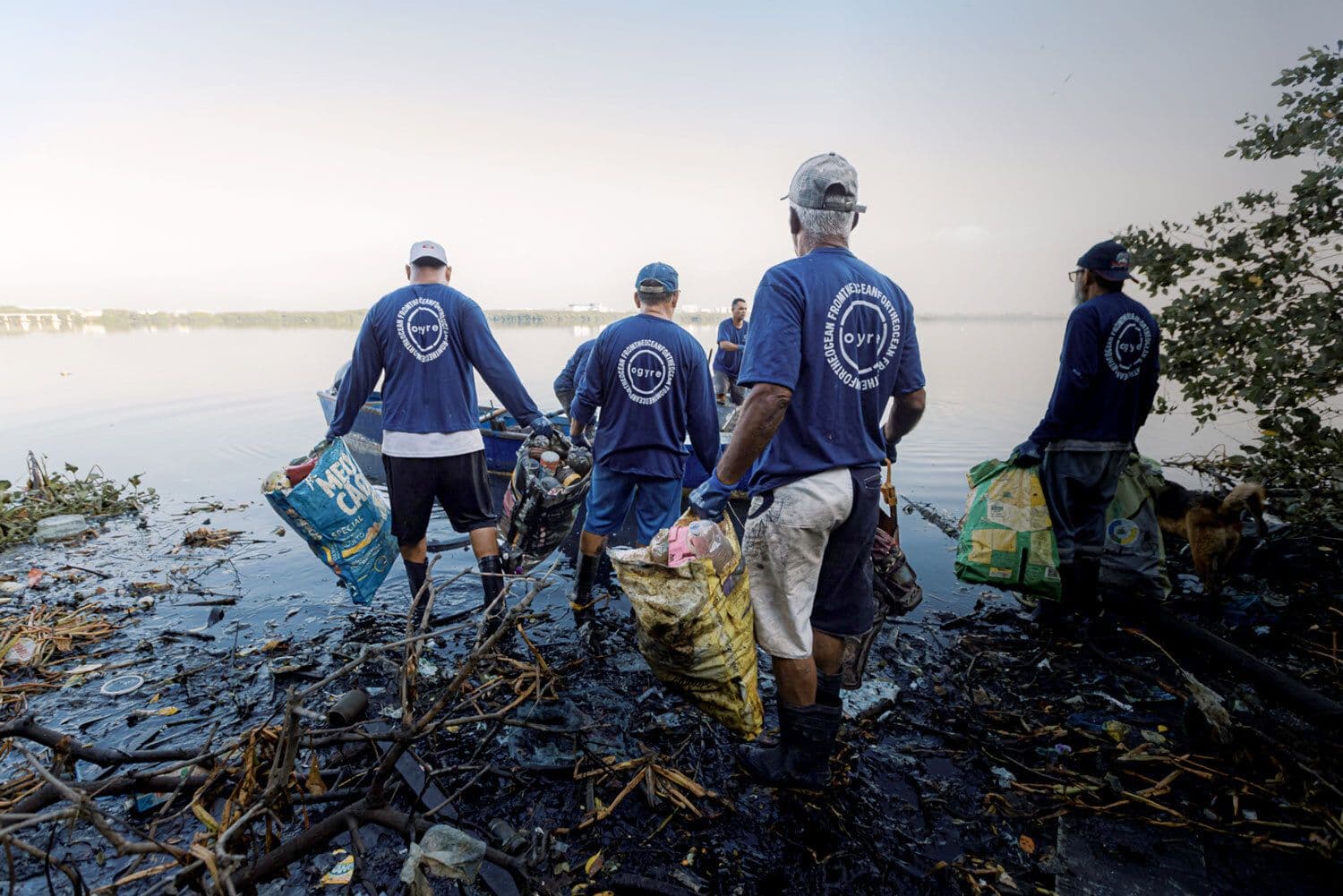
The scope of a claim must match the scope of the result. If an initiative concerns the collection of marine waste, it does not establish that the company’s products are environmentally sustainable. If a change concerns one component of a product, the claim cannot imply that the entire product has the same characteristic. The boundary may seem small in an internal project brief; it becomes decisive when the message appears on a pack or in an advertisement.
Future goals require a credible plan. Announcing an environmental target is different from reporting a result already achieved. Claims about future environmental performance need clear, objective and publicly available commitments, a realistic implementation plan with measurable targets and deadlines, and periodic verification by an independent third party. A date on its own does not explain how the target will be reached.
Sustainability labels face specific requirements. A voluntary label used to distinguish a product, process or company on environmental or social grounds must be established by a public authority or based on a qualifying certification scheme. For private schemes, the rules address access to the scheme, how requirements are developed, what happens when they are breached and independent monitoring. A company should therefore examine what a label communicates and the system behind it.
The legislation also prohibits claiming that a product has a neutral, reduced or positive impact in terms of greenhouse gas emissions on the basis of emissions offsetting. This is a specific rule about such product claims. It should not be presented as a prohibition on every environmental project or every form of corporate climate action.
From evidence to communication
A credible environmental claim starts with a clear account of the activity behind it. This means defining the result, its scope and the method used to measure it, then gathering supporting data and checking its reliability. The wording should follow from that evidence, so readers can understand what was achieved, where and over which period.
The distinction between an action, a target and a completed result is essential. Supporting a project does not mean carrying out the activity directly, and committing to a collection target does not mean that the waste has already been collected. Communication should make the company’s role and the project’s current status clear, with quantities, timeframes and descriptions that match the available records.
The same precision applies to the scope of the benefit. A change to packaging should be described as a change to packaging. Support for marine waste collection should be communicated as support for that activity. Neither, by itself, demonstrates an improvement across every environmental impact of a product or business.
For collection campaigns supported through Ogyre, recorded activities and public campaign pages connect the company’s contribution to documented results. More broadly, accessible evidence allows consumers to understand the basis of a claim: what was measured, how the information was checked and which activities it covers.
That meaning must remain consistent across channels. A detailed website explanation can become misleading if shortened into an overly broad statement on packaging or social media. The essential information that defines the claim should remain clear wherever it appears, while links or QR codes can provide access to further details, methodology and progress updates.
A claim should keep its boundaries
The March overview of the anti-greenwashing directive explained the new legal framework. Its application on 27 September makes the next step concrete: review what each existing claim leads a consumer to understand.
A sound claim starts with a documented result and retains its limits through every version of the message. The more precisely a company can identify its role, the activity supported and the evidence available, the more accurately it can communicate its environmental work.
References
- European Parliament and Council of the European Union (2024), Directive (EU) 2024/825 on empowering consumers for the green transition.
- Repubblica Italiana (2026), Decreto legislativo 20 febbraio 2026, n. 30.
- Ogyre, Ogyre Protocol.
![[object Object]](/_next/image?url=https%3A%2F%2Fogyre.fra1.cdn.digitaloceanspaces.com%2FCover_3%20(1)-1600x900.png&w=3840&q=75)
![[object Object]](/_next/image?url=https%3A%2F%2Fogyre.fra1.cdn.digitaloceanspaces.com%2FDSC_6751%20(1)-1-1600x1065.jpg&w=3840&q=75)
![[object Object]](/_next/image?url=https%3A%2F%2Fogyre.fra1.cdn.digitaloceanspaces.com%2FDSC_5208%20(1)-compressed-1600x1065.jpg&w=3840&q=75)