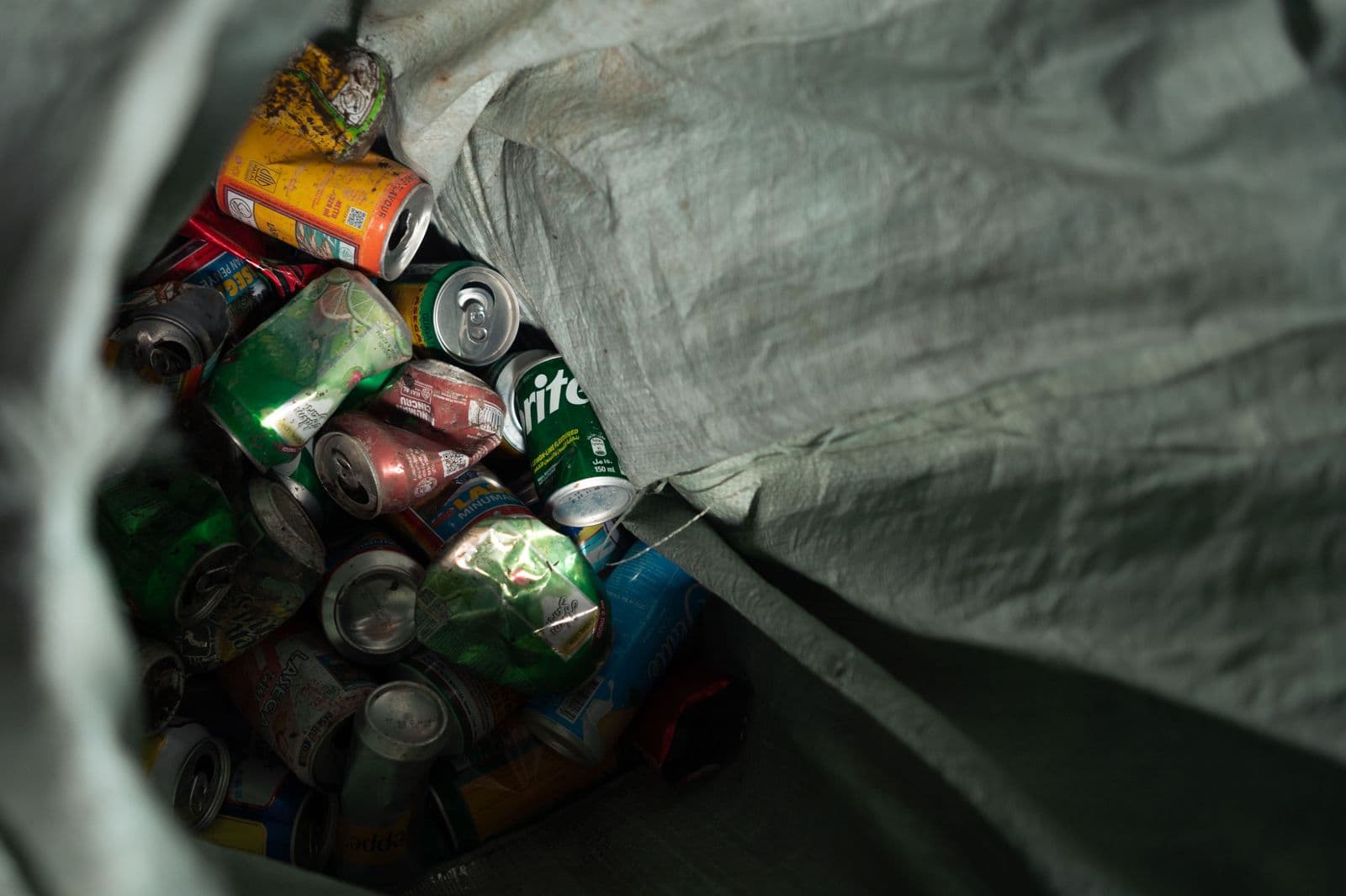
Italy's Plastic Overshoot Day falls on November 5, 2026, as around 15% of plastic waste remains mismanaged despite recent progress.
Overview
On November 5, 2026, Italy reaches its Plastic Overshoot Day: the point in the year when the country begins generating more plastic waste than its waste management systems are estimated to handle safely. From that date onward, the amount of waste produced exceeds the country's estimated capacity for adequate collection, treatment and disposal.
This year, the date falls two days later than in 2025, continuing a gradual shift towards the end of the calendar year. While this suggests progress in Italy's waste management performance, a significant share of plastic waste remains improperly managed.
A growing capacity to manage waste
In 2026, Italy's total plastic production is estimated at 3.5 million tonnes, with approximately 500,000 tonnes of plastic waste expected to be mismanaged, representing around 15% of the total.
This marks an improvement compared with 2025, when Italy generated 3,250,666 tonnes of plastic waste, of which 18.58% was mismanaged. Although the total volume of plastic remains substantial, the declining share of mismanaged waste suggests progress in the country's ability to handle it safely.
However, plastic that escapes proper collection, treatment or disposal can still find its way into natural environments. Carried by wind, rainfall and waterways, discarded materials can travel from urban areas to rivers, coastlines and eventually the Ocean.
Microplastic pollution adds another dimension to the problem. In 2026, an estimated 43,437 tonnes of microplastics are expected to enter Italy's waterways. These particles, smaller than 5 millimetres, can originate from tyre wear, synthetic textile fibres and paint abrasion, or form through the fragmentation of larger plastic items. Their small size makes them particularly difficult to intercept once released into the environment.
The evolution of Italy's Plastic Overshoot Day reflects this gradual progress:
- 2021: October 22
- 2022: October 19
- 2023: October 27
- 2024: October 29
- 2025: November 3
- 2026: November 5
Since 2021, the date has shifted 14 days later, and for the second consecutive year, Italy's Plastic Overshoot Day falls in November rather than October.
This makes Italy's Plastic Overshoot Day more than an indicator of waste management performance. It also highlights the importance of preventing plastic from escaping into the environment in the first place, particularly in a country whose rivers and coastal areas are directly connected to the Mediterranean Sea.

Protecting the sea starts locally
Improving waste management is essential, but it does not address the plastic that has already accumulated in marine environments. Once waste reaches the sea, currents and weather conditions can transport it far from its original source, while some materials remain trapped along coastlines or settle on the seabed.
This is where local collection initiatives can make a difference.
In Italy, Ogyre involves fishing communities in the collection of marine litter through its Fishing for Litter model. The approach builds on the knowledge and experience of people who work at sea every day and are familiar with the conditions of their local waters.
In places such as Santa Margherita Ligure and Cetara, participating fishers collect waste encountered during fishing activities and bring it back to port. Ogyre supports these operations through financial and logistical assistance, while working with local partners to ensure that the collected materials enter appropriate waste management channels.
After collection, materials are sorted and directed towards recycling whenever possible, or responsible disposal when recycling is not feasible. The process is documented through Ogyre's waste tracking system, which uses blockchain technology to support transparency and traceability.
These activities are particularly relevant in the context of marine pollution. Removing larger plastic items from the sea can help prevent their continued fragmentation into smaller pieces, while reducing the presence of waste in areas where fishing activities and marine ecosystems coexist.
Although waste collection alone cannot solve Italy's plastic management challenges, it provides a practical response to pollution that prevention and recycling systems can no longer intercept.
Moving towards a later threshold
Italy's Plastic Overshoot Day reaching November 5 in 2026 is an encouraging sign, particularly when considered alongside the reduction in the share of mismanaged plastic waste. Nevertheless, with approximately half a million tonnes still expected to be inadequately managed in 2026, the gap between plastic waste generation and safe management capacity remains significant.
Maintaining this positive trajectory requires more than improving recycling rates. It means reducing unnecessary plastic consumption, strengthening collection and treatment infrastructure, improving end-of-life management and preventing waste from reaching natural environments.
At the same time, collecting the plastic already dispersed in rivers, coastal areas and the sea remains an important complementary measure.
The progress recorded in Italy shows that the date can move in the right direction. The challenge now is to make that shift more substantial and lasting, reducing the amount of plastic that escapes waste management systems and ultimately reaches the Ocean.