


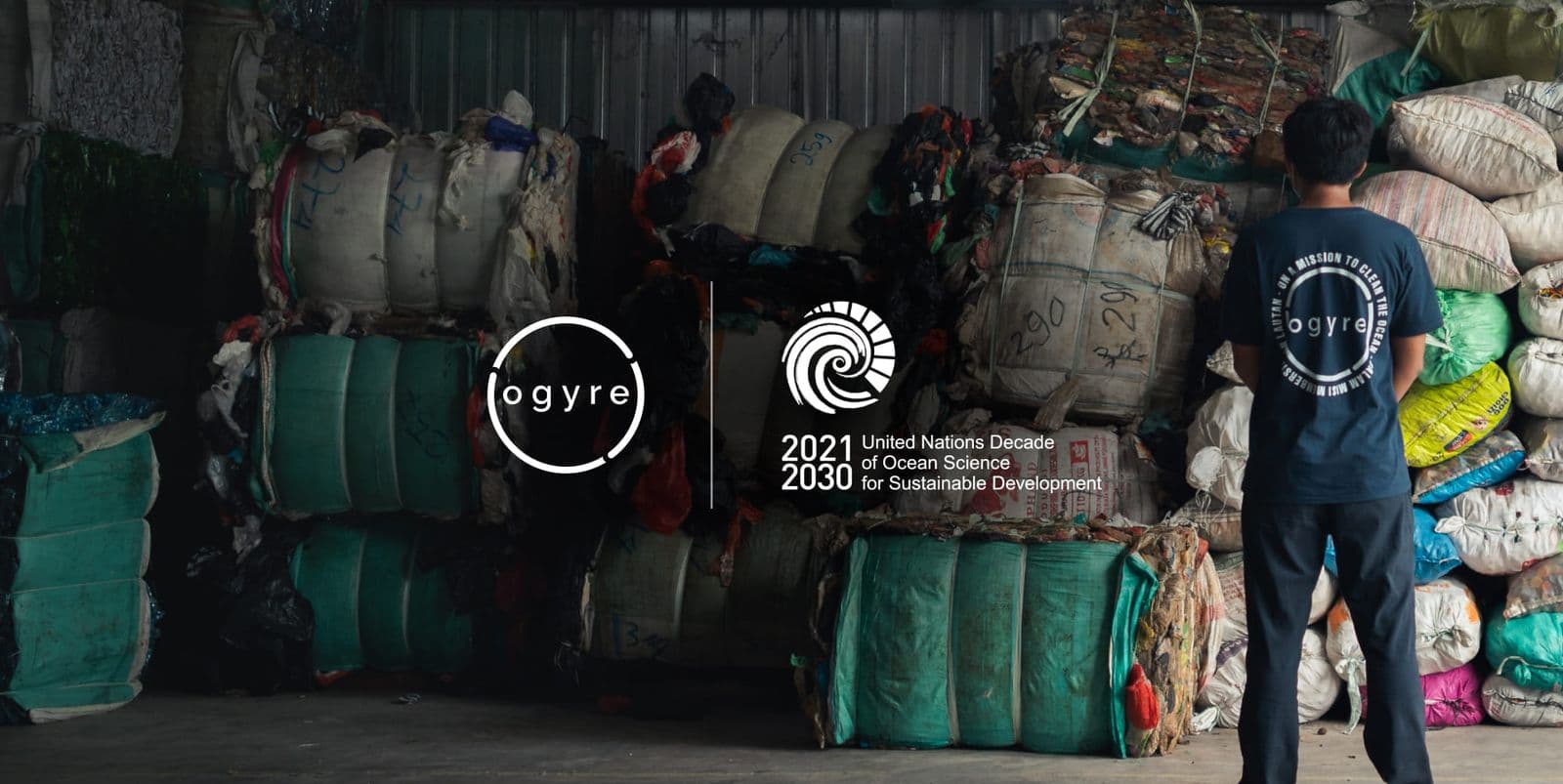
Ogyre is the first Italian startup in the Blue Economy to receive UN Ocean Decade endorsement for actions addressing marine pollution.
Introduction
The UN Ocean Decade, formally the United Nations Decade of Ocean Science for Sustainable Development (2021–2030), is a global initiative coordinated by the Intergovernmental Oceanographic Commission of UNESCO. Its objective is to "generate the science needed for the Ocean we want", by catalysing transformative solutions for marine sustainability.
Within this framework, the Ocean Decade Challenges act as reference priorities: they guide recognised programmes and projects towards a cleaner, healthier, safer and more accessible Ocean, fostering innovation, knowledge and international cooperation. Ogyre’s Fishing for Litter activities are now recognised as contributing to these shared global priorities.
What the endorsement recognises
The endorsement concerns Ogyre’s Fishing for Litter activities, carried out with local fishers in Italy, Brazil, Indonesia, and Senegal. These operations address marine pollution directly in the sea, collecting waste caught during fishing activities. So far, these operations have led to the collection of nearly 900 tonnes of waste, with materials sorted and directed towards recycling or responsible disposal. Through this process, more than 460 tonnes of CO₂ emissions have been avoided, thanks to material recovery and energy valorisation.
Every operation follows a defined protocol: waste is weighed, categorised, and tracked through blockchain technology. This ensures traceability, data integrity, and transparency across the entire recovery chain—from collection to end-of-life management.
Alignment with Ocean Decade Challenges
The Ocean Decade structures its mission around a series of interconnected Challenges, designed to guide action towards a healthier and more resilient Ocean. Ogyre’s endorsed activities contribute in particular to three of them.
Challenge 1: Understand and beat marine pollution
By collecting marine waste directly from the sea, Fishing for Litter activities reduce the accumulation of plastics that would otherwise fragment into microplastics. At the same time, fishers and local communities build practical awareness and understanding of marine waste, its sources, and its impacts through firsthand contact.
Challenge 2: Protect and restore ecosystems and biodiversity
Marine debris damages habitats through entanglement, abrasion, and ingestion. Removing large items early lowers chronic stress on seafloor habitats and coastal environments, especially in areas where fishing activity overlaps with sensitive environments.
Challenge 4: Develop a sustainable, resilient, and equitable Ocean Economy
Fishing for Litter activities integrate environmental recovery into everyday work at sea. Local fishers are compensated for the dedicated time and effort required to collect waste, while local partners manage sorting and end-of-life processes. The result is a circular system that generates environmental, social, and economic value at the same time.
Why local actions matter at global scale
Marine pollution is often addressed at a global scale, but effective responses are built through local operations carried out where impacts are directly observed. Ogyre’s Fishing for Litter activities operate through locally rooted actions, carried out as part of regular fishing activities and shaped by the specific conditions of each area.
Within the Ocean Decade framework, this approach shows how locally implemented actions can contribute to global objectives: data collected in different contexts feed a shared knowledge base, while coordinated efforts generate cumulative impact across regions.
Conclusion
The endorsement of Ogyre’s Fishing for Litter activities by the UN Ocean Decade confirms that waste collection at sea is not a secondary action, but a necessary step in repairing marine ecosystems already under pressure. By connecting local efforts with global challenges, the initiative becomes part of a shared, science-based pathway towards a cleaner, more resilient Ocean.
![[object Object]](/_next/image?url=https%3A%2F%2Fogyre.fra1.cdn.digitaloceanspaces.com%2Fbrazil-2.jpg&w=3840&q=75)
![[object Object]](/_next/image?url=https%3A%2F%2Fogyre.fra1.cdn.digitaloceanspaces.com%2FCover_3%20(1)-1600x900.png&w=3840&q=75)
![[object Object]](/_next/image?url=https%3A%2F%2Fogyre.fra1.cdn.digitaloceanspaces.com%2FDSC_6751%20(1)-1-1600x1065.jpg&w=3840&q=75)